Everything You Need to Know Before Starting the Camino Francés
If you’re thinking about walking the Camino Francés from Saint-Jean-Pied-de-Port to Santiago, this guide will help you understand what the route is really like, how many days are needed, which stages are the most demanding, and what you can expect in each major section of the Camino.
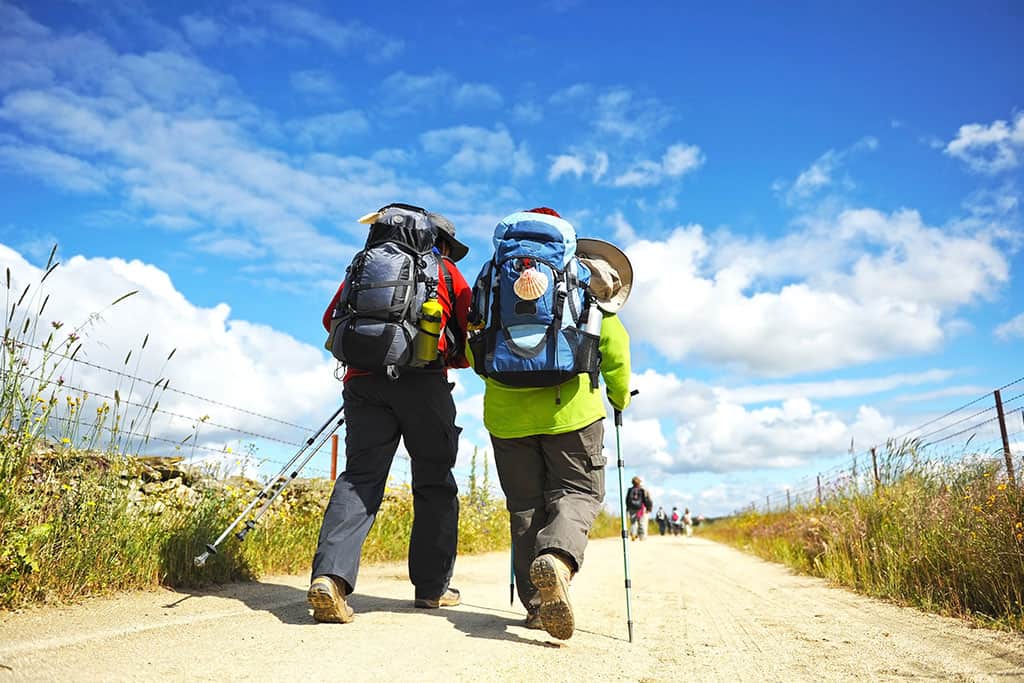
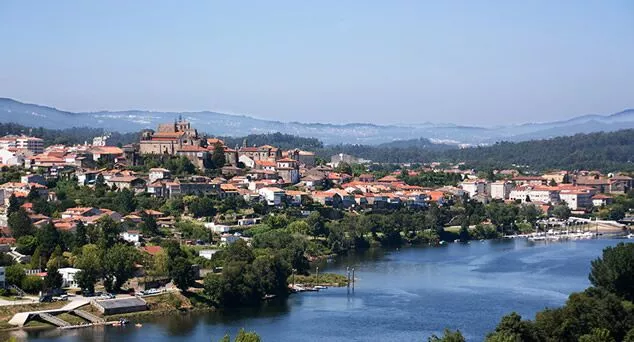
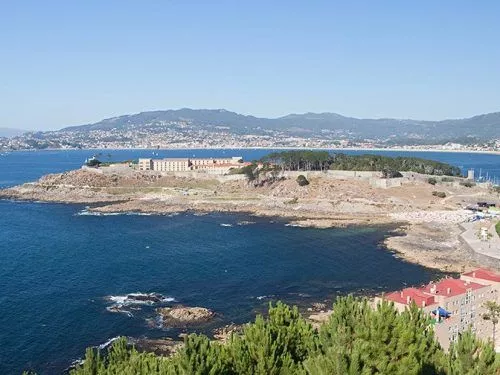
The complete Camino Francés is the most iconic route of the Camino de Santiago. It crosses the Pyrenees and passes through Navarra, La Rioja, Castile and León, and Galicia before reaching Santiago de Compostela, combining nature, historic villages, major cities, and some of the most recognizable landscapes in northern Spain.
It is also one of the most complete options for those who want to experience the pilgrim journey from beginning to end, whether organizing the route independently or walking the Camino with booked accommodations and luggage transfer.

Want to Walk the Full Camino Francés?
At Santiago Ways, we organize the Camino Francés from Saint-Jean with carefully selected hotels, luggage transfer, and stages adapted to your pace so you can enjoy the Camino with total peace of mind.
Overview of the Complete Camino Francés
| Section | What to Expect | Difficulty |
|---|---|---|
| Saint-Jean – Pamplona | Crossing the Pyrenees, mountain scenery, and the first Camino stages | High |
| Navarra and La Rioja | Vineyards, historic villages, and balanced stages | Medium |
| Castile and León | The Meseta plains, long walking stages, and a peaceful atmosphere | Medium |
| León – O Cebreiro | Mountains, Cruz de Ferro, and entering Galicia | High |
| Galicia – Santiago | Pilgrim atmosphere, rural villages, and arrival in Santiago | Medium |
Request a personalized quote
How Many Days Are Needed to Walk the Complete Camino Francés?
The complete Camino Francés from Saint-Jean-Pied-de-Port to Santiago is approximately 780 kilometers. Most pilgrims complete it in between 30 and 40 walking days, depending on pace, rest days, and how the stages are organized.
Many people prefer to divide the Camino into sections and complete it over several trips. Some of the most common starting points are Roncesvalles, León, Ponferrada, or Sarria.
In general, those who complete the full Camino usually walk between 20 and 28 kilometers per day, although daily distances can vary considerably depending on elevation and the type of stage.
What Is the Camino Francés and Why Is It the Most Popular Route?
The Camino Francés is the best-known Camino de Santiago route and the one with the most developed pilgrim infrastructure. It passes through historic cities such as Pamplona, Logroño, Burgos, León, and Astorga, combining mountain stages, rural areas, vineyards, vast plains, and small villages with strong pilgrim traditions.
It is also a very flexible and well-marked route, with countless accommodations, bars, restaurants, and services available throughout the journey.
For this reason, it is usually considered the best option for walking the Camino de Santiago for the first time.
Difficulty of the Camino Francés
The Camino Francés is not considered technically difficult, but it does require a certain level of physical endurance due to the accumulation of kilometers and the repeated effort over several weeks.
The most demanding stages are usually the crossing of the Pyrenees between Saint-Jean and Roncesvalles, some mountainous sections before Ponferrada, and the climb to O Cebreiro before entering Galicia.
The actual difficulty depends greatly on factors such as:
Walking balanced stages and avoiding unnecessary weight usually makes an enormous difference.

Most Important Stages of the Camino Francés
Saint-Jean-Pied-de-Port – Roncesvalles
This is probably the most famous and demanding stage of the entire Camino Francés. The route crosses the Pyrenees with significant elevation gain and spectacular views during much of the journey.
The climb to Lepoeder requires patience and a steady pace, especially in hot, rainy, or windy conditions. For many pilgrims, arriving in Roncesvalles represents one of the most emotional moments of the Camino.
Practical Tip
Starting early and walking light usually makes this stage much more manageable.
Roncesvalles – Zubiri
A much more pleasant stage physically after the effort of crossing the Pyrenees.
The route passes through Navarrese forests, small villages, and very peaceful paths, although the descent can put considerable strain on the knees if the ground is wet.
La Rioja and Burgos
As you continue through Logroño, Nájera, and Santo Domingo de la Calzada, the landscape gradually changes into vineyard regions and open countryside. These stages are generally physically comfortable and very pleasant for walking.
Burgos often represents an important milestone along the complete Camino, both because of its historical heritage and the sense of progress it gives pilgrims.
The Meseta Stages: What to Really Expect
One of the most talked-about parts of the Camino Francés is the Castilian Meseta. For some people, it is psychologically the hardest section because of the long straight paths and feeling of isolation. For others, it is precisely the calmest and most meditative part of the entire Camino.
Physically, many stages are fairly comfortable, although heat and wind can greatly increase the feeling of effort.
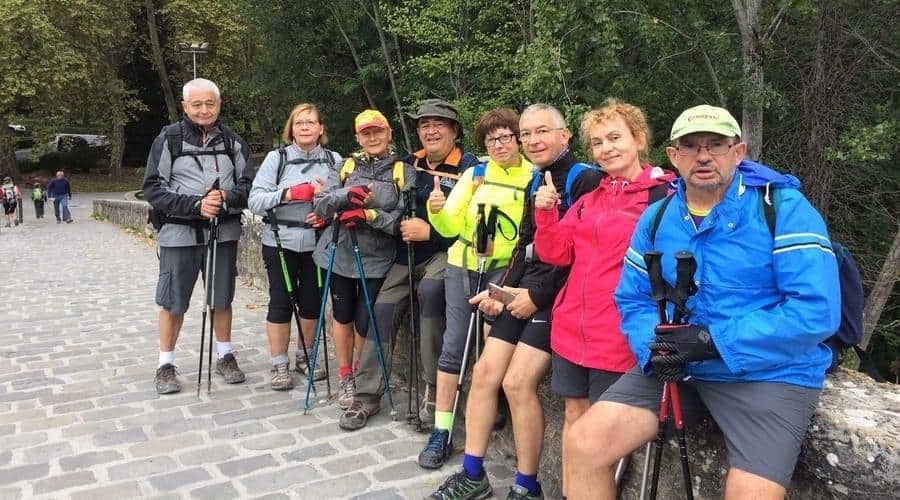
The Meseta is also one of the areas where pilgrims most appreciate the slower rhythm of the Camino and the connection with fellow walkers.
León, Cruz de Ferro, and Entering Galicia
After León, the landscape changes considerably. The stages begin to gain elevation and become more mountainous.
The climb to Cruz de Ferro is one of the best-known symbolic moments of the Camino Francés, while arriving at O Cebreiro marks the entrance into Galicia and another major emotional milestone of the route.
From there, the Camino passes through rural villages, Galician forests, and much greener paths until reaching Santiago de Compostela.
The Last 100 km from Sarria
The section between Sarria and Santiago is the most popular stretch of the Camino Francés because it allows pilgrims to obtain the Compostela certificate by walking the minimum required last 100 kilometers.
It is also the area with the strongest pilgrim atmosphere and the greatest tourism infrastructure.
The usual stages are generally divided as follows:
- Sarria – Portomarín.
- Portomarín – Palas de Rei.
- Palas de Rei – Arzúa.
- Arzúa – O Pedrouzo.
- O Pedrouzo – Santiago.

What to Pack for the Camino Francés
Choosing the right equipment is one of the keys to truly enjoying the Camino. Most physical problems during the route are usually related to carrying too much weight or using unsuitable gear.
The most recommended items are usually:
- Footwear already broken in.
- Lightweight layered clothing.
- Rain gear.
- Sun protection.
- Trekking poles if you want to reduce strain on your knees.
- Blister care kit.
- Lightweight backpack.
Is It Better to Walk the Entire Camino or Just One Section?
It mainly depends on the time available, your walking experience, and the type of experience you are looking for.
Walking the complete Camino from Saint-Jean-Pied-de-Port allows you to experience a much more progressive and transformative journey, seeing how the landscape, atmosphere, and even your own pilgrim rhythm change throughout the weeks.
However, many people prefer to begin with a shorter section such as Sarria, León, or Ponferrada before attempting the entire route.
How to Organize the Complete Camino Francés
Organizing a Camino lasting several weeks requires coordinating accommodations, stages, logistics, and physical planning. For this reason, many people prefer to walk the Camino with accommodations booked and luggage transfer between stages.
This allows pilgrims to walk lighter, reduce physical fatigue, and enjoy the experience much more without worrying about daily logistics.
Booking in advance is especially important during high season, particularly on highly popular stages such as Sarria, León, or Santiago.
Frequently Asked Questions About the Camino Francés from Saint-Jean
How many kilometers is the complete Camino Francés?
Approximately 780 kilometers from Saint-Jean-Pied-de-Port to Santiago.
Which is the hardest stage?
Usually Saint-Jean – Roncesvalles because of the elevation gain in the Pyrenees.
How long does it take?
Most people complete it in between 30 and 40 walking days.
Is it recommended to do it in sections?
Yes. Many people complete the Camino Francés over several different trips.
Is it a good option for beginners?
Yes. It is the route with the most services, best signage, and strongest pilgrim infrastructure.
Conclusion
The complete Camino Francés from Saint-Jean-Pied-de-Port to Santiago is a long, demanding, and deeply special experience. Over more than 700 kilometers, the route passes through some of the most iconic landscapes and cities in northern Spain and allows pilgrims to experience the Camino in a much more complete and progressive way.
Whether you walk the entire route or just one section, planning your stages carefully, walking light, and adapting the pace to your physical condition usually makes an enormous difference.
If you are thinking about organizing the complete Camino Francés, having accommodations booked and luggage transfer can help you enjoy the experience much more.
Organize Your Camino Francés with Santiago Ways
At Santiago Ways, we organize the Camino Francés with carefully selected hotels, luggage transfer, and stages adapted to your pace so you can enjoy the Camino in total comfort.